In March 2023, a lot of people online were getting their first real experiences using tools like ChatGPT for everything from copywriting to coding. As the quality of those tools started to sink in, a lot of people found themselves sharing similar sentiment to Peter Nixey:
“I'm in the top 2% of users on StackOverflow. My content there has been viewed by over 1.7M people. And it's unlikely I'll ever write anything there again. Which may be a much bigger problem than it seems. Because it may be the canary in the mine of our collective knowledge.”
We’ve talked before about how ~80% of content online is user-generated. Think of websites like Wikipedia, Reddit, and Stack Overflow. Those are collective knowledge communities. Billions of data points all collected by people willing to contribute to a collective good in order to benefit from the underlying knowledge.
But what else do all of those communities have in common? They also happen to be the largest sources of training data for models like GPT-3.
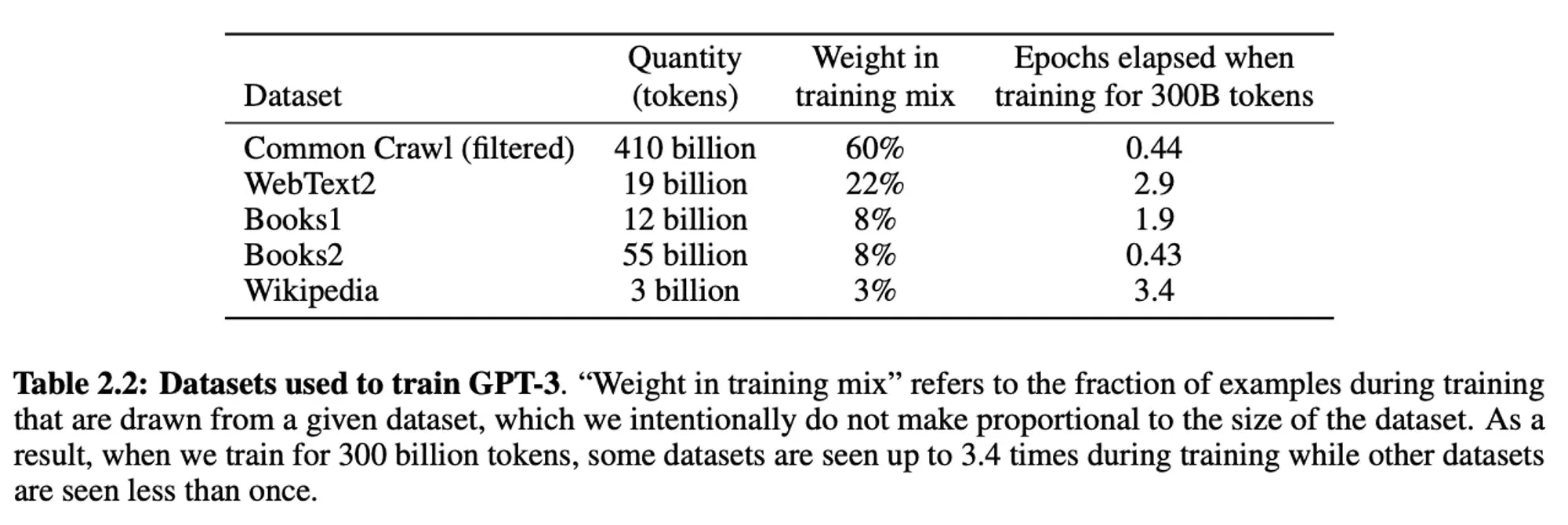
So much of the internet, and the global economy, have operated off of knowledge and expertise that particular people hold. The main function of the internet for its first 30 years, or so, could be summed up in one word: distribution.
And what was it distributing? Knowledge and expertise. With the launch of ChatGPT, you’ve seen a decline in the number and earnings of freelance writing and editing jobs.

Now, that doesn’t mean that AI will replace every writing job at every level. But the impact is undeniable. Whatever happens with the continued march of AI progress, or the doomerism-driven slowing of that progress, the reality is that the old model of the internet (e.g. collecting and distributing the collective knowledge and expertise of humanity) is going to have to evolve.