




Thesis
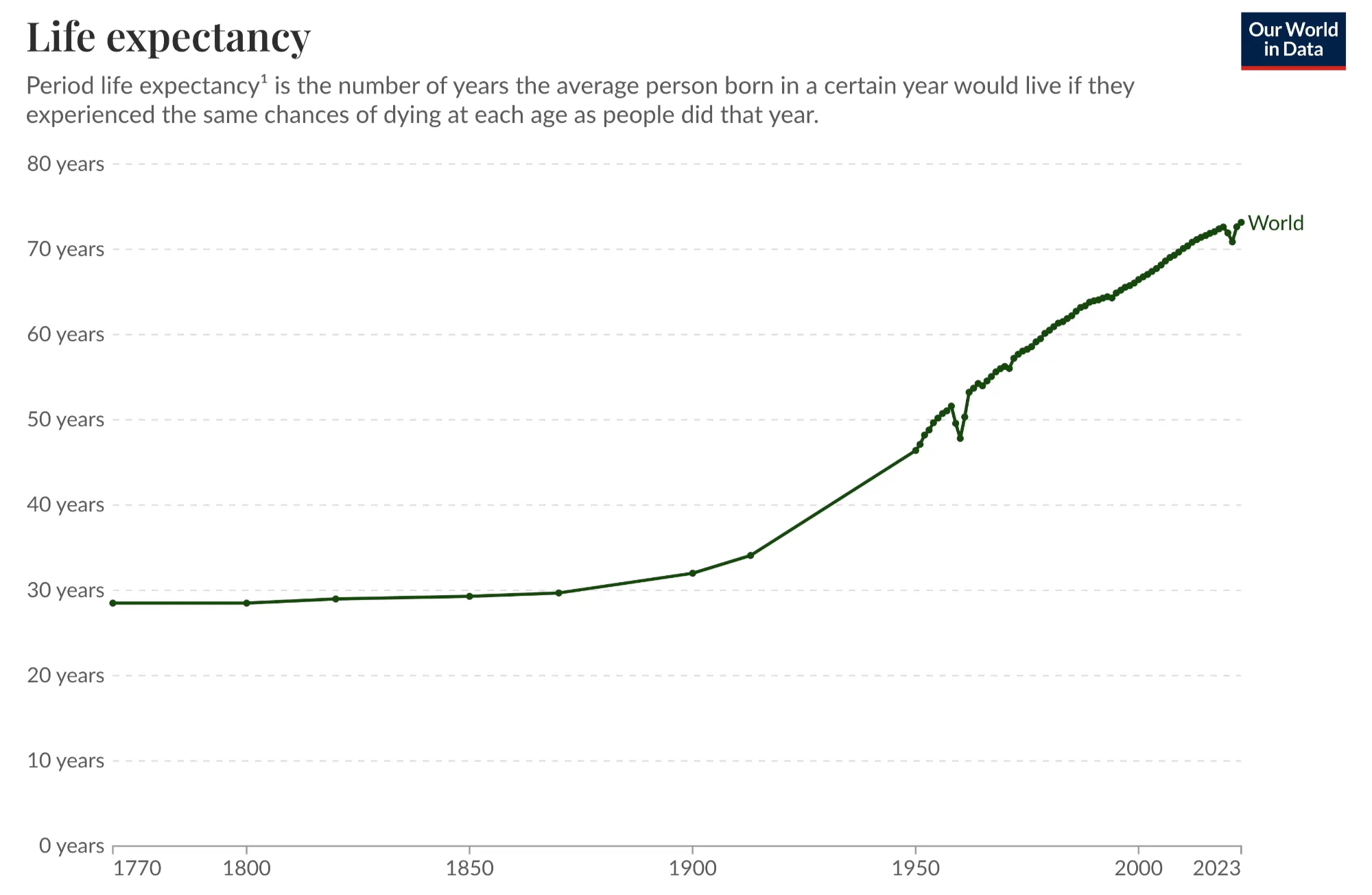
By 2080, the global population aged 65 and older will reach 2.2 billion, outnumbering children under 18. The average global lifespan has been steadily increasing for many decades: life expectancy was just 46.4 years in 1950 and reached 73.2 years in 2023.
Source: Our World in Data
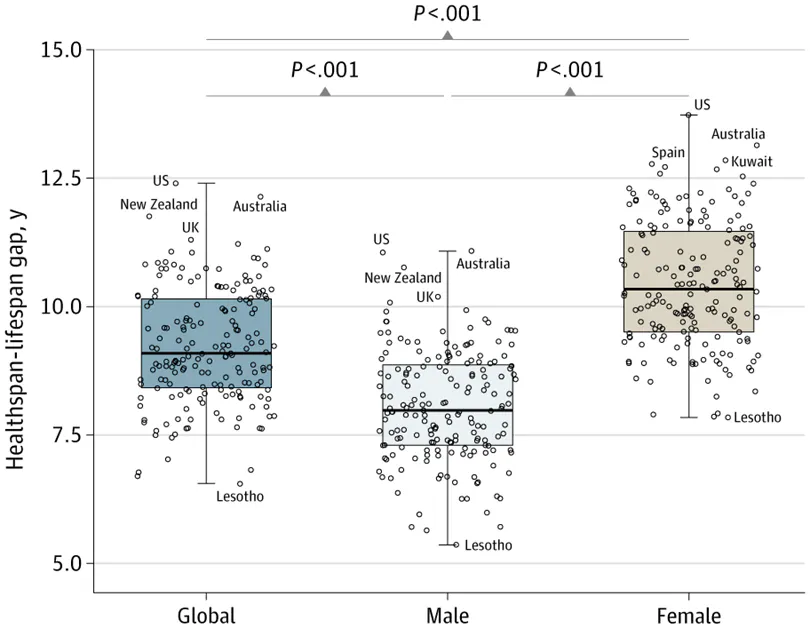
However, the average gap between global healthspan (the length of life spent in good health) and lifespan has been widening concurrently, reaching 9.6 years in 2024. The same year, the United States had the largest such gap globally at about 12.4 years. This means that while the average American lived to 79 years as of 2024, they began experiencing burdensome health issues over a decade beforehand. Developed nations like Australia, New Zealand, the United Kingdom, and Norway report gaps of 12.1, 11.8, 11.3, and 11.2 years, respectively.
Source: JAMA Network
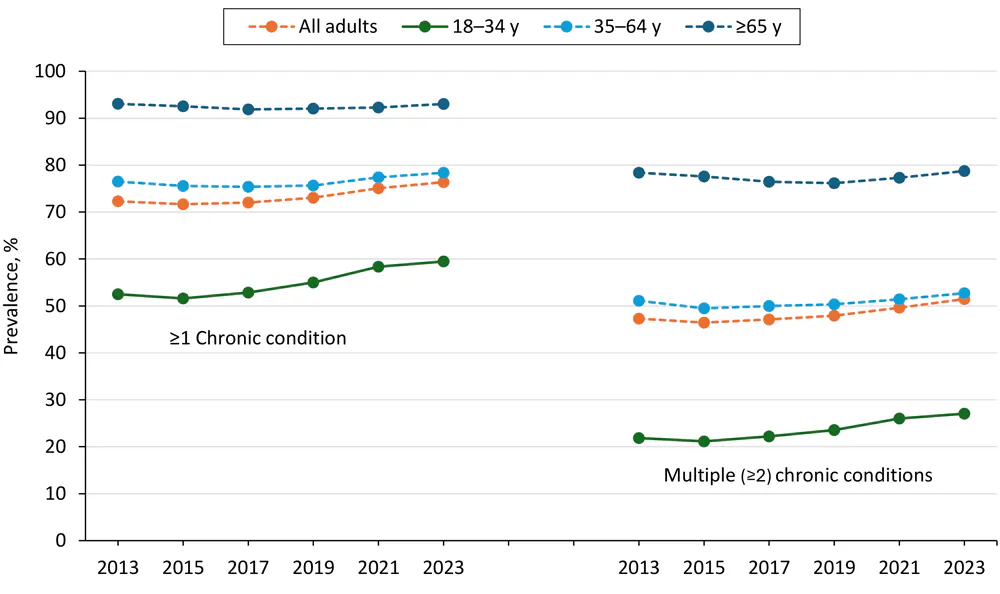
Aging is strongly correlated with an increase in risk for chronic conditions like heart disease, cancer, stroke, and diabetes. In 2023, more than three-quarters of adults aged 65 and older in the United States, or 47.2 million people, had two or more chronic conditions. Thus, interventions that extend healthspan improve livelihoods and reduce the risk of chronic disease. Lowering the risk of chronic disease also reduces healthcare expenditures. In the United States, 90% of annual healthcare spending went to treating chronic and mental health conditions as of 2025. Just one year of global healthspan extension would create $38 trillion in global economic value. Thus, longevity is a priority for both individual health and the health of the economy.
In January 2026, Life Biosciences, an epigenetic reprogramming company, set a regulatory precedent when it received approval to begin Phase 1 clinical trials of its partial-reprogramming approach for optic neuropathies. This set the stage for a new era in longevity.
NewLimit, whose mission is “radically extending human healthspan”, seeks to improve human health by targeting aging itself rather than treating specific diseases in isolation through a method called partial epigenetic reprogramming. Unlike most biotech companies that focus on a single target or asset, NewLimit is using a combination of its proprietary AI model Ambrosia, custom aging assays, and single-cell profiling methods to identify and optimize novel protein combinations that restore youthful function in aged cells.
Founding Story
NewLimit was founded in late 2021 by Jacob Kimmel (President), Gregory Johnson (Head of Machine Learning), Blake Byers, and Brian Armstrong, who is best known as the co-founder and CEO of Coinbase. Brian Armstrong and Blake Byers are primarily involved as investors.
Jacob Kimmel pursued his PhD at the UCSF Center for Cellular Construction, where he developed methods to infer how cell states change with time from imaging data. After his PhD, Kimmel worked at Calico Life Sciences (Alphabet’s longevity subsidiary) for four years. During this time, he worked as a Data Scientist and later as a Principal Investigator, developing machine learning and functional genomics tools to measure and reprogram aging cells to become younger. Kimmel was originally skeptical of this science due to biology’s inherent complexity, but was surprised by the strong experimental results he saw.
Gregory Johnson earned his PhD in computational biology and an MS in biomedical engineering from Carnegie Mellon University. His graduate studies focused on applying generative models to determine how cells respond to perturbations. Before NewLimit, Greg led the development of novel machine learning methods at the Allen Institute for Cell Science and later worked as a machine learning scientist at Amazon. Between 2022 and 2024, Johnson served as NewLimit’s Head of Machine Learning before leaving to join EvolutionaryScale in 2025.
While a PhD student at Stanford University, Blake Byers pursued research on stem cell biology. He primarily studied methods of engineering stem cells to model Parkinson’s Disease. Following his PhD, Byers joined Google Ventures as a partner in 2010. Over the next 11 years, Byers invested in 38 companies across technology (including Robinhood and Gusto) and biotechnology (including Forty Seven, Arcus Biosciences, and Denali Therapeutics).
Brian Armstrong is the co-founder and CEO of Coinbase. Beyond his role in leading Coinbase, Armstrong is also passionate about advancing scientific research. Prior to co-founding NewLimit, Armstrong established ResearchHub in 2020 with Patrick Joyce, a decentralized collaborative platform for researchers to share, review, and fund scientific research. He started ResearchHub to address inefficiencies he perceived in traditional academia.
In a March 2026 podcast episode, Armstrong described how, after Coinbase’s IPO in April 2021, he started looking into investment opportunities in hard tech. He felt that longevity was an under-explored space and reached out within his network of biotech executives to host a series of networking dinners with Byers. Through these dinners, Armstrong met Kimmel and Johnson, and the four of them co-founded NewLimit, with Armstrong and Byers committing $110 million to the company.
Product
Scientific Background
Every cell in the human body carries near-identical DNA, but motor neurons differ in structure and function from skin cells. Transcription factors are proteins that help control gene expression throughout a cell’s lifetime, which determines a cell’s identity. In 2006, Shinya Yamanaka identified four transcription factor proteins, the Yamanaka factors, that can transform a differentiated adult cell into an embryonic-like pluripotent stem cell.
This discovery earned him the 2012 Nobel Prize and gave rise to the field of epigenetic reprogramming. The epigenetic landscape, a concept representing embryonic development proposed by Conrad Hal Waddington to illustrate the various developmental pathways of a cell, visualizes epigenetics as a marble rolling down a hill from a stem cell state to a mature, differentiated state. Epigenetic reprogramming allows scientists to “unroll” a marble to choose a new cell type.
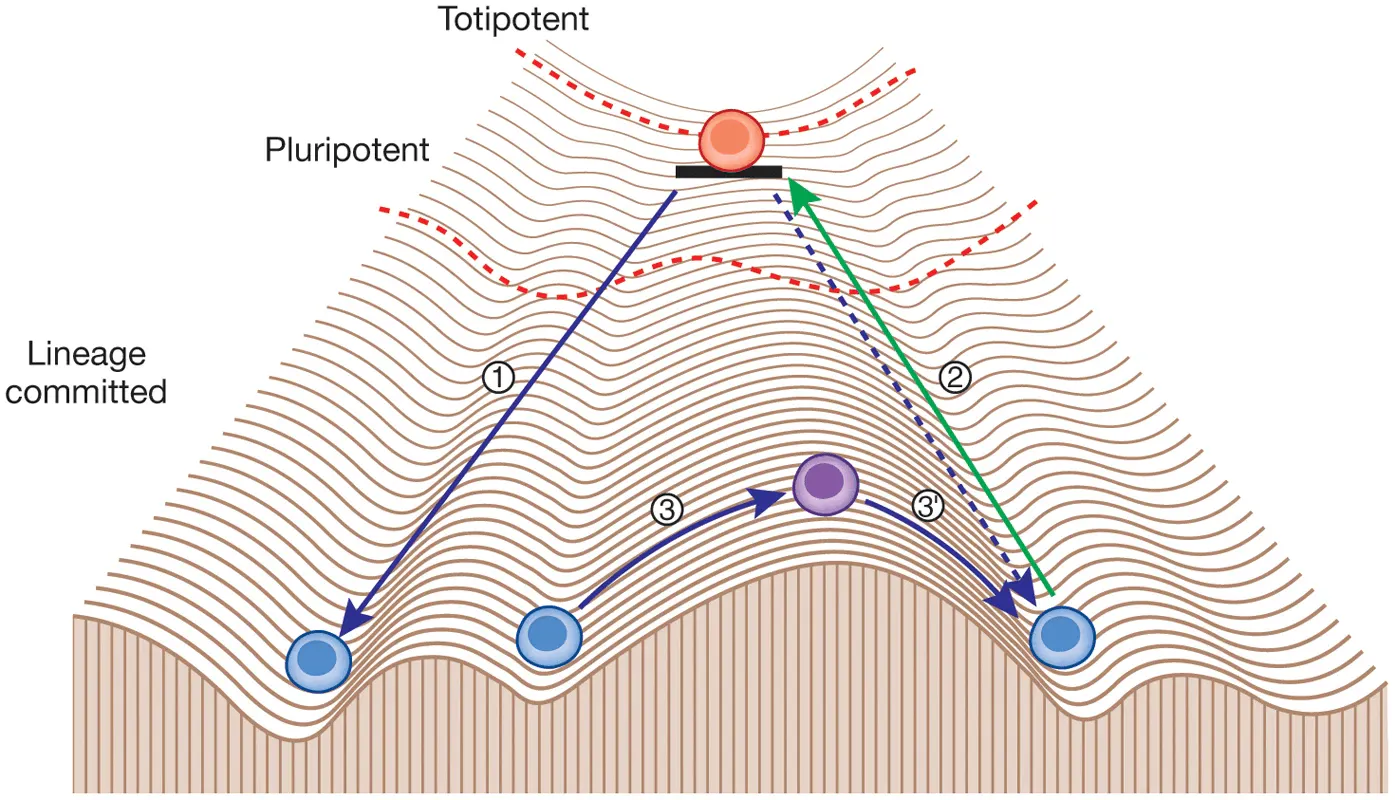
Source: Nature Methods
Partial epigenetic reprogramming aims to use transcription factors to reduce biological markers of aging in cells while maintaining their mature cell identity. Much of the literature has focused on the transient expression of Yamanaka factors, but these factors activate a variety of pathways beyond the ones directly related to aging, making treated cells prone to dangerous loss of cell identity and cancer formation.
NewLimit is pioneering a safer alternative to Yamanaka factors by identifying novel combinations of transcription factors that reverse cell aging without erasing cell identity. The company is currently targeting three therapeutic areas: hepatocytes (liver cells), T cells (immune system), and endothelial cells (vascular system). NewLimit is focusing on therapeutic indications in these cell types, like alcoholic liver disease, autoimmunity, and chronic kidney disease, before moving into more general-purpose medicines that can address aging within the broader population.
Ambrosia
There are about 2K transcription factors in the human genome that can be combined to generate 10 quadrillion possible transcription factor treatments. To reduce the complexity of searching through all combinations, NewLimit developed Ambrosia, a generative AI system trained on gene expression data from cells treated with various transcription factor combinations.
Ambrosia predicts untested combinations that could yield a younger cell phenotype while maintaining cellular identity. At the 2025 International Conference on Machine Learning, NewLimit unveiled that its proprietary T cell dataset consisted of gene expression data from 3.6 million individual cells treated with around 6.5K transcription factor combinations. This dataset was over an order of magnitude larger than any other comparable dataset on primary cells, which provide a more reliable model of human biology compared to immortalized cancer cell lines used in datasets like Tahoe-100M. Ambrosia identifies promising transcription factor combinations at more than twice the rate of the best baseline methods.
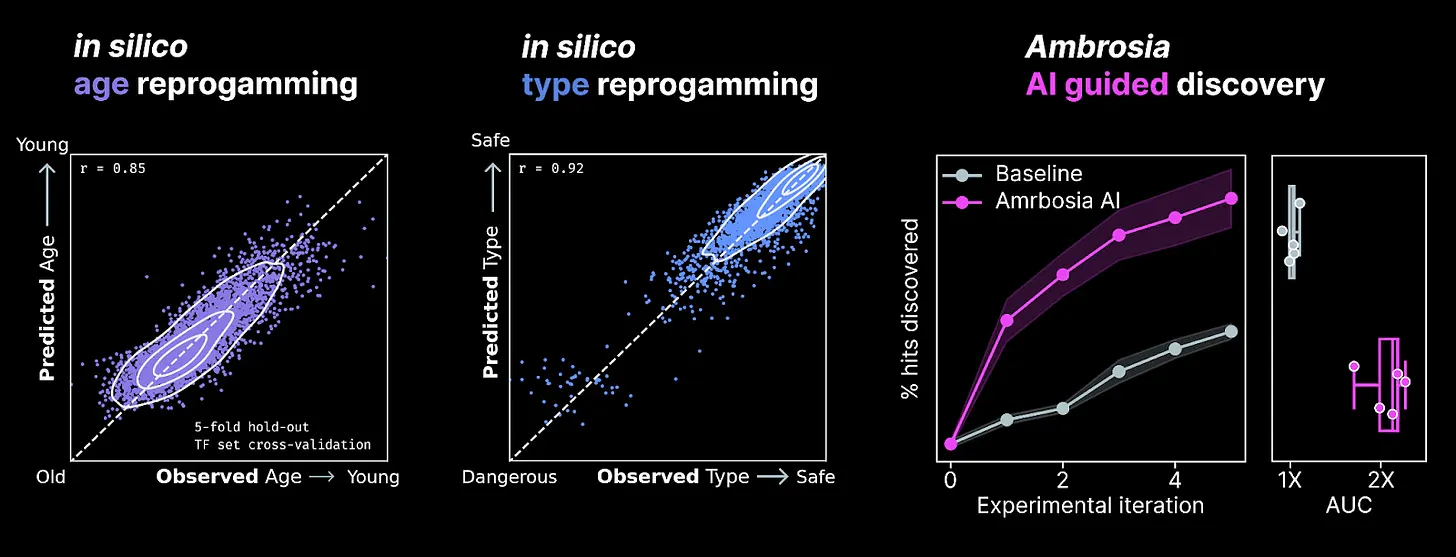
Source: NewLimit
NewLimit performs selection-based screening to test Ambrosia’s predictions by delivering thousands of unique payloads containing transcription factor combinations to a large pool of cells simultaneously. Each payload contains a DNA barcode that allows NewLimit to track which barcode(s) a given cell received.
In 2024, NewLimit developed a new sequencing method, pxbc-seq (perturbation barcode sequencing), where cells that respond to a combination by acting more youthfully are physically separated from those that don’t, and their barcodes are sequenced at single-cell resolution to identify which combinations drove the improvement. This approach allows NewLimit to cut the costs of some screens by more than 100x and test more than 20x as many transcription factor combinations in one screen compared to traditional approaches. Data from NewLimit’s screens is then fed back into Ambrosia to strengthen the model, accelerating payload discovery through a lab-in-the-loop system.
T cells and endothelial cells are screened in vitro using simple culture systems before moving into in vivo mouse experiments. However, for its liver program, NewLimit was unable to conduct screening on hepatocytes in vitro, **as these cells do not function appropriately in culture systems. Instead, NewLimit performs its screening on mice whose livers are repopulated with human hepatocytes to create a “humanized liver”. By designing this custom method, NewLimit is able to test and collect data from 20x as many transcription factor combinations for every humanized liver. By the end of 2025, NewLimit had tested over 1K times as many transcription factor sets as any other group has combined. The platform also demonstrates a scaling law as the performance of top hits increases with the size of the training data collected.
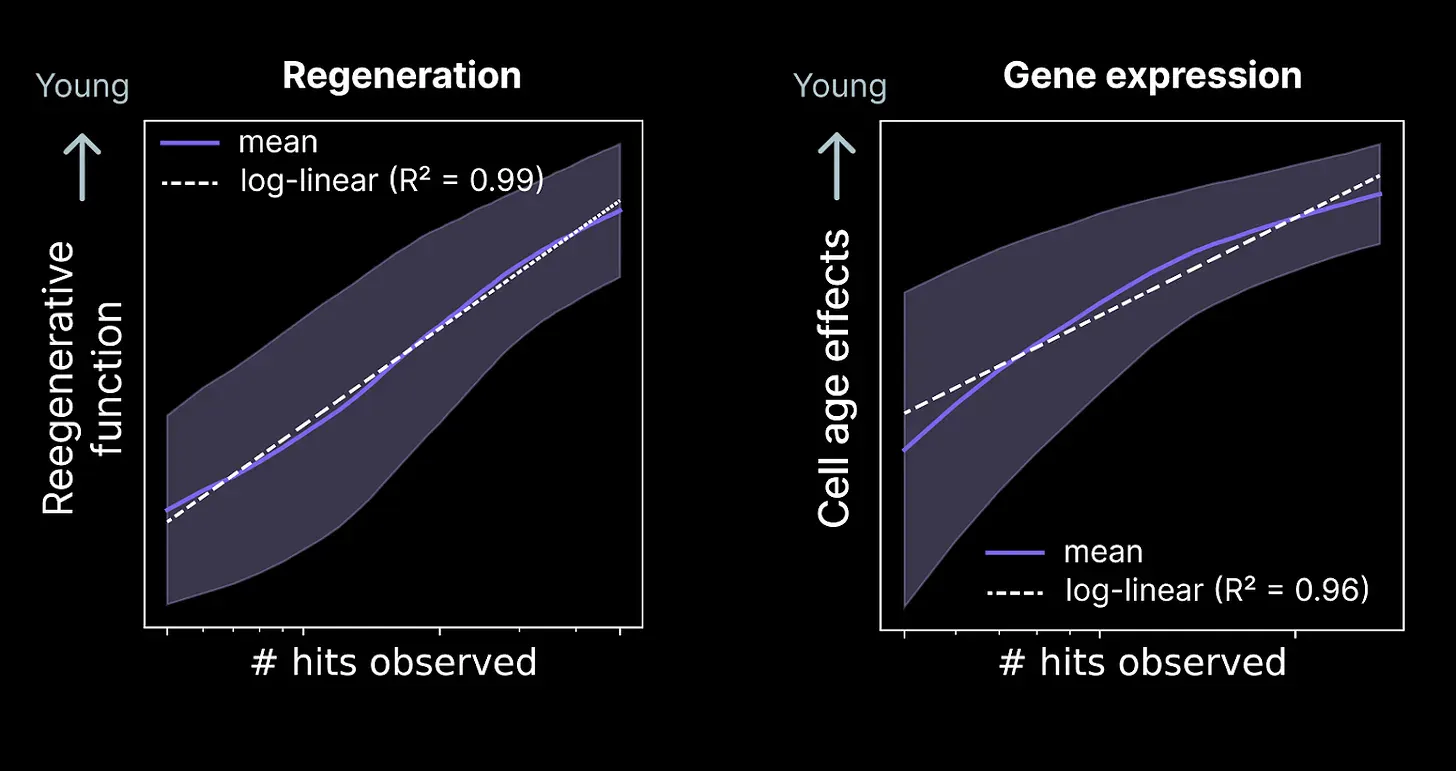
Source: NewLimit
After identifying promising transcription factor combinations through screening, NewLimit performs further assays that validate that the reprogrammed older cells function similarly to young cells. The company developed six new functional experiments for hepatocytes, five for T cells, and multiple for endothelial cells. For example, NewLimit found that reprogrammed liver cells exhibited greater resilience to injury from toxic diets, while T cells were more effective at killing target cancer cells.
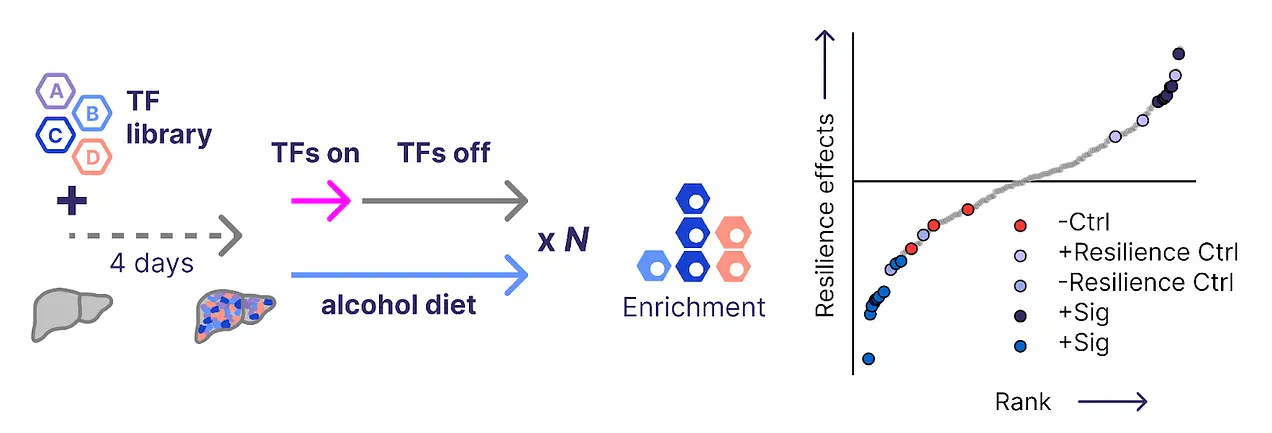
Source: NewLimit
Delivery Method
NewLimit’s medicines are delivered to the appropriate cell type in the body via mRNA encoding transcription factor proteins. This mRNA is packaged inside lipid nanoparticles (LNPs), using the same delivery technology as COVID-19 vaccines. Using LNP-mRNAs ensures transient expression of transcription factors that remodel the epigenome without persistently pushing the cells towards a cancer-prone state.
NewLimit optimizes mRNA sequences to maximize potency per dose and improve selectivity towards target cells. After identifying a lead candidate for hepatocytes, NewLimit achieved a 1.6x increase in potency and an 8x increase in specificity. LNPs naturally tend to target the liver. To reach other cell types, such as T cells and endothelial cells, NewLimit is developing new chemistries to increase targeting specificity. For example, NewLimit developed an LNP chemistry that achieves more than 60% delivery in kidney endothelial cells in vitro.
Market
Customer
NewLimit does not yet generate revenue from customers as it is still in the preclinical phase. The company’s current programs in liver cells, T cells, and endothelial cells target specific conditions with high unmet need. Its longer-term goal, which involves developing anti-aging medicines for the general public, may require a direct-to-consumer or out-of-pocket model as an initial commercial pathway. Depending on cost, NewLimit could expect significant demand, considering existing consumer spending on anti-aging interventions. For example, about one-fifth of Americans have taken anti-aging supplements like collagen or antioxidants.
Market Size
The global anti-aging market generated more than $85 billion in 2025; this is expected to reach $120 billion by 2030. The anti-aging market includes a variety of products, such as supplements, consumer products, diagnostics, and services, and was valued at $27.6 billion in 2025. It is expected to reach $67 billion by 2035, growing at a CAGR of 9.4%. This trend is driven primarily by the rising population of adults 65 years and older, which is expected to reach 2.2 billion by 2080.
In 2024, longevity-focused startups raised more than $8.5 billion in venture capital funding across 325 deals. Meanwhile, large pharmaceutical companies like Eli Lilly and Novo Nordisk are increasingly embracing longevity. At the August meeting of Aging Research and Drug Discovery, both companies suggested or claimed that GLP-1 drugs may be the first approved longevity medicines. Beyond investing in NewLimit’s Series B round, Eli Lilly also invested in Insilico Medicine and announced a collaboration with BioAge in January 2025 to discover two therapeutic antibodies that address novel metabolic aging targets.
Competition
Altos Labs: Altos Labs began operations in 2022 with $3 billion in initial funding, making it the best-funded longevity startup. The company’s scientific advisory board is chaired by Dr. Shinya Yamanaka, who won the 2012 Nobel Prize. Altos Labs currently operates with multiple sites across the United States, including the Bay Area, San Diego, Cambridge, the United Kingdom, and Japan. The company has offered high salaries to attract talent in the industry, including more than $1 million to university professors. While Altos Labs maintains a high degree of secrecy, it is actively pursuing regeneration programs for the kidney, heart, liver, and brain.
Insilico Medicine: Founded in 2014, Insilico Medicine is an established clinical-stage AI-driven drug discovery company. Insilico Medicine has built a stable revenue stream of out-licensing deals for its drug discovery pipelines. In March 2025, the firm secured a $110 million Series E financing. As of March 2026, Insilico Medicine’s pipeline contained 28 drug candidates at the IND-enabling stage, of which 12 had received IND clearance. In November 2025, Insilico Medicine formed a $100 million partnership with Eli Lilly. In March 2026, the two companies announced a $2.8 billion deal that includes an upfront payment of $115 million. Insilico Medicine’s approach does not directly target the epigenome, unlike NewLimit's. Instead, aging is “an off-target bonus” of treating a disease, according to CEO Alex Zhavoronkov.
Retro Biosciences: Retro Biosciences was founded in 2021 with an $180 million seed round funded entirely by OpenAI’s CEO, Sam Altman. In January 2025, reports emerged that the company was in the process of raising a $1 billion Series A, although that round had not been officially announced as of June 2026. Retro Biosciences is developing therapeutic programs for hematopoietic (blood) stem cell reprogramming, autophagy enhancement, microglia therapeutics, and tissue reprogramming. In December 2025, Retro Biosciences initiated an eight-person Phase 1 clinical trial in Australia for its autophagy enhancement program. Its small-molecule drug, RTR242, aims to restore lysosomal activity to aging neurons, improving the neurons’ ability to clear harmful proteins in the brain and reducing the effects of Alzheimer's disease.
Cambrian Biopharma: Founded in 2019, Cambrian is a multi-asset longevity company developing therapeutics that target unique biological pathways that decline with age. Cambrian operates a hub-and-spoke model for drug development, similar to peers such as Roivant Sciences and Bridge Bio. As of June 2026, the company had eight pipeline companies under its portfolio and six assets in its pipeline, four of which are in Phase 1 or Phase 2 trials and two in preclinical studies. Unlike NewLimit's approach, Cambrian Bio does not involve rewiring cellular gene expression; instead, it focuses on developing therapies that target specific diseases first, with the eventual goal of using them as preventive medicines. Cambrian Bio raised a $100 million Series C round in 2021 and has raised $204 million as of May 2026.
Life Biosciences: Life Biosciences, founded in 2017, uses three of the four Yamanaka factors (OCT4, SOX2, and KLF4) to partially reprogram aging cells. Compared with using all four OSKM transcription factors, this strategy reduces the risk of tumor formation. While the company aims to use different drug formulations (vectors, promoters) for its gene therapies, it will apply the same core mechanism with the three Yamanaka factors. In January 2026, Life Biosciences received Investigational New Drug (IND) clearance for its ER-100 drug, which aims to improve vision in patients with optic neuropathies. The company raised $80 million in Series D funding in April 2026 to support a Phase 1 clinical trial initiated in the first quarter of 2026, bringing its total funding to $286.2 million. Life Biosciences is also developing a gene therapy for the liver disease MASH. In August 2025, the company reported success from its preclinical mouse models, and in January 2026, Life Biosciences obtained approval to start Phase 1 clinical trials.
Shift Bioscience: Shift Bioscience was founded in 2017 to investigate mitochondrial DNA mutations, a type of DNA damage that accumulates with age. However, it pivoted away from this therapeutic focus after determining that reducing mitochondrial DNA mutations was not the best lever for mitigating aging. It raised $16 million in seed funding to continue development of its virtual cell platform. Shift Bioscience focuses on identifying specific single-gene targets that can be addressed with gene therapy to permanently alter expression. This is a distinct mechanism from NewLimit, which uses mRNA as its treatment modality to transiently express multiple transcription factors. In June 2025, Shift Bioscience identified SB000, a novel gene target that maintains a youthful state in multiple cell types.
Business Model
NewLimit’s LNP-mRNA technology is less expensive to produce than alternative methods, such as viral vector-based gene therapy (used by companies like Life Biosciences and Rejuvenate Biosciences). A major reason for the high costs of viral vector production is the significant manufacturing costs of producing enough gene and viral vector to treat one person. In comparison, manufacturing costs for mRNA technology can cost as little as $1.20 per dose, as demonstrated by the mRNA vaccines produced for the COVID-19 pandemic. This cost structure is amenable to NewLimit’s stated goal of adding healthy years to every human life.
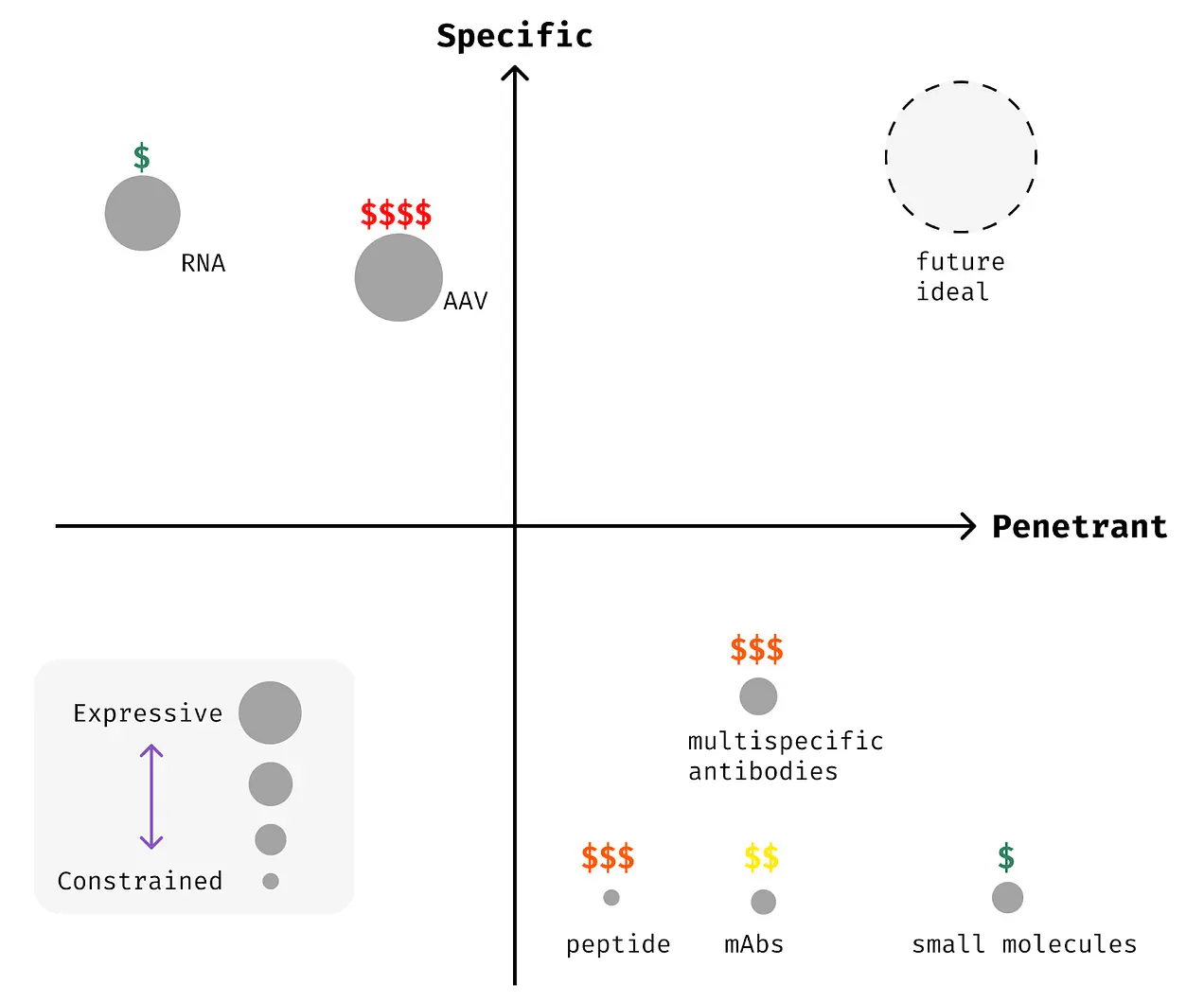
Source: Jacob Kimmel
In an August 2025 interview, Kimmel outlined a structural mismatch between the value that longevity medicines provide and the way the US healthcare system pays for them. Fewer than one-fifth of Americans stay with the same insurer over five years, so no insurer is economically incentivized to cover a drug whose cost savings (in treating downstream chronic diseases) may accrue five to ten years after treatment. Thus, Kimmel believes that NewLimit will move to a direct-to-consumer model in the long term, similar to existing approaches such as Eli Lilly’s LillyDirect. This program’s value proposition is largely driven by sales of Eli Lilly’s GLP-1 agonist medicine Zepbound, for which over 50% of Americans don’t have insurance coverage.
Traction
In 2025, NewLimit built its first preclinical candidate that restores multiple youthful functions in old liver cells. In a humanized liver model, this candidate restored youthful gene expression, promoted regenerative potential, increased alcohol resilience, and did not induce liver damage even at high doses. The company expected this could take over five years to accomplish, but was able to do so in three. The preclinical candidate not only induces a “younger” gene expression profile in reprogrammed cells but also functionally behaves like younger cells in regenerative ability and ethanol resistance.
As of 2026, NewLimit was preparing to begin clinical trials for its first candidate before 2028. As of March 2026, NewLimit claimed to have achieved 20% progress toward completing its first large-scale batch of its preclinical candidate. Beyond its hepatocyte program, NewLimit also made strides in its immunology and vascular programs. In October 2025, the company developed delivery chemistry specifically to deliver RNA payloads to T cells in vivo. In early 2026, NewLimit also developed a preclinical in vivo model to measure endothelial aging in mouse kidneys. Both advances allow NewLimit to move payloads that were successful in vitro into mouse experiments. In June 2026, Brian Armstrong stated: “NewLimit now has a prototype drug that reverses the age of some human cells”.
Valuation
In June 2026, NewLimit raised a $435 million Series C round led by Founders Fund at a $3.1 billion valuation, representing a 3x increase in valuation within one year and bringing the company’s total funding amount to $682.2 million. Preceding this, in October 2025, NewLimit raised a $45 million Series B extension at a $1.6 billion valuation from investors including Eli Lilly. This follow-on came just five months after the company's $130 million Series B at an $810 million valuation. Prior to this, NewLimit raised its $40 million Series A round in May 2023. Aside from Eli Lily and Founders Fund, other notable investors in NewLimit include Greenoaks, Thrive Capital, Valor Equity Partners, Nat Friedman, and Kleiner Perkins.
Key Opportunities
Data Flywheel
Traditional biotech companies often struggle to develop moats that expand beyond a single asset. Success in one therapeutic does not necessarily increase chances of future success in another. Through its high-throughput single-cell profiling methods, NewLimit is able to collect proprietary data on transcription factor combinations at a large scale. The company has a defensible moat as it has tested roughly a thousand times more transcription factor combinations than the rest of the field combined. NewLimit also observes scaling laws with its predictions, achieving more discoveries per dollar spent over time as the company’s Discovery Engine grows. This trend counteracts Eroom’s Law, the trend that drug discovery is becoming more expensive over time.
When NewLimit applied its Discovery Engine platform to its endothelial cell program (its third program), the company set it up in three months with no modifications. This rate of onboarding was faster than either of NewLimit’s prior programs and implies that NewLimit can expand into other therapeutic programs in the future at similar or faster rates. By compounding programs on a shared platform, NewLimit reduces the single-asset binary risk that has historically capsized biotech companies.
Regulatory Tailwinds
The second Trump administration shows more favorability for pro-longevity figures. For example, Jay Bhattacharya, the Director of the National Institutes of Health, was the former head of a Stanford University research center focused on the economics of health and aging. The United States has also invested more federal resources to promote investment in longevity technologies. In December 2024, ARPA-H launched PROSPR, a program aimed at extending American healthspan by identifying aging markers, developing assessment technologies, and accelerating longevity therapeutics. The program plans to invest up to $144 million over five years.
Currently, NewLimit’s therapeutic programs focus on specific diseases rather than on aging itself. Currently, the FDA doesn’t recognize aging as a disease, but if it did, companies like NewLimit would be able to develop preventative, general-purpose medicines for aging. This would also allow public or private insurers to consider reimbursement of longevity treatments. However, there is increasing pressure on the FDA to change how it categorizes aging. In 2024, two groups submitted citizen petitions to the FDA to classify aging as a disease.
Strategic Validation from Eli Lilly
NewLimit’s October 2025 financing included an investment from Eli Lilly at a $1.6 billion valuation. Whereas AbbVie ended its 11-year $1.5 billion partnership with Calico Life Sciences, a competing longevity company, in November 2025, Eli Lilly’s investment is a counter-signal to the pharmaceutical industry’s skepticism of longevity biotechs. More broadly, the biopharma industry faces tailwinds that incentivize investment in and partnerships with novel platforms like NewLimit. By 2032, breakthrough drugs like Keytruda and Eliquis will lose patent protection, representing a loss between $173.9 and $350 billion in annual sales for the industry. Large biopharma players are also increasingly open to investing in riskier early-stage assets. Between 2020 and 2025, 76% of M&A deals were focused on growth, up from 34% a decade ago.
Key Risks
Safety
A risk factor for the broader field of partial epigenetic reprogramming is the risk of inducing cancer. Yamanaka factors are known to induce teratomas when overexpressed. NewLimit’s approach reduces this risk by identifying transcription factor combinations that are less likely to activate pluripotency pathways. The company demonstrates data from in vivo studies as proof of safety. For instance, their preclinical candidate did not induce liver damage or neoplasia (uncontrolled cell growth) even at high doses. Animal data is generally considered a poor predictor of tumorigenicity in humans, and while NewLimit uses a humanized mouse liver that better models human biology, conclusive data on cancer risk can only come from testing on humans.
Drug Approval Timeline
NewLimit is still an early-stage company with just one preclinical candidate. While it has de-risked this candidate in humanized mouse experiments, this does not guarantee clinical success in humans. Between 2010 and 2013, the retention rate of a preclinical drug going to Phase 1 was 10.5%. Drugs that go through an Investigational New Drug (IND) application have a low success rate of between 10% and 20%.
Drug development is also becoming more expensive. The average cost to bring a single asset to market was $2.2 billion in 2024, around 5% more than the year before, and about 69% of the costs are tied to Phase 1/2/3 clinical trials. On average, pharmaceutical companies spent 17.7% of revenue on R&D in 2019, up from 11.9% in 2008. While NewLimit has attracted significant funding, it will likely need more external investment to pursue clinical trials before it generates any revenue.
Summary
NewLimit is a longevity biotech company that has achieved several key milestones much faster than its founders expected. Its AI platform, Ambrosia, enables it to rapidly predict and iterate on novel transcription factor combinations that target specific cell types to reduce age while preserving cell identity. The company is targeting a therapeutic opportunity that one of its founders claims is 100 times larger than any prior biotech product, backed up by the fact that aging is upstream of a multitude of diseases. Still, at its current stage, NewLimit has a long path ahead to bring a single disease-targeting drug to market and an even longer path to achieve its goal of developing general-purpose medicines for the broader population.